Foundations
From Quantum Physics to AI
TLDR: I moved from Belarus to Germany to study physics, went from struggling with language barrier to earning 1.0s by the end of my degree. Then worked at Max Planck, built optimization tools at BMW, and led a DevOps team at ventx within six months of joining.
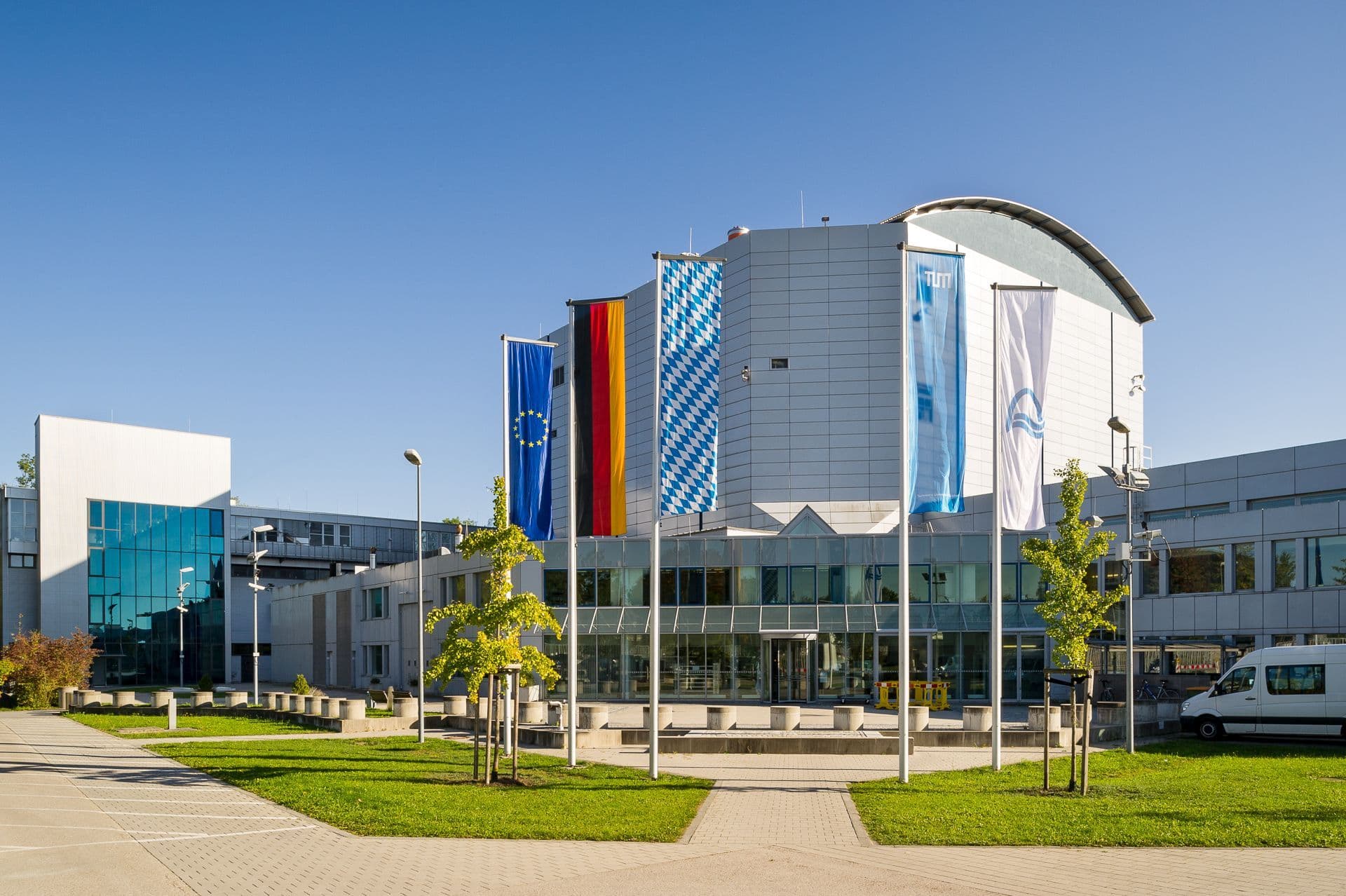
I grew up in Belarus, where most of the top students went into informatics. I went against the current. First studying microelectronics, then moving to Germany to study physics at TUM. I'd gotten excited about quantum mechanics during my microelectronics coursework, and once I started studying real physics, the whole world opened up. I got inspired by Feynman, Landau, Einstein. I started working at neutrino labs and the Max Planck Institute alongside my studies.
It wasn't easy at first to study arguably the most challenging subject in the world in a language I didn't speak well. But early struggles forced me to learn how to learn. By the end of my bachelor's, I was earning mostly 1.0s, including a 1.0 for my thesis applying quantum statistical physics to analyze heavy-ion collisions at CERN. During my master's in theoretical particle physics, I pushed through courses in advanced quantum mechanics, supersymmetry, and general relativity.
At the Max Planck Institute for Quantum Optics, I ran simulations for quantum network devices and used neural networks to optimize error-correction protocols. At BMW, the problems shifted toward practical optimization. I built tools that cut planning workflows from eight hours to five minutes. At ventx, I picked up Docker, Kubernetes, Terraform, and AWS fast enough to be promoted to lead a DevOps team within six months.
But the most important transition had nothing to do with technology. Coming from a scientific background, my instinct was to manage with cold logic. It took real friction to learn that leading well means something different: creating mission clarity, understanding what drives each person, and reducing the chaos so they can do their best work. My best outcomes have never come from my own hands. They came from teams I built and pointed in the right direction.
Tools & Methods
- Physics
- Numerical optimization
- Quantum systems
- Python
- Docker
- Kubernetes
- Terraform
- AWS
Next step